How to buy products from China?
How to buy products from China?
Saudi Buyers: 56D Matching Finds Best-Value Chinese Suppliers in 0.3 Seconds
Strategic Sourcing: Navigating the Direct vs. Distributor Choice for Chinese Products
How Saudi Buyers Use 56D Matching for Best-Value Chinese Suppliers
In the dynamic world of international trade, the pathway to acquiring quality products at competitive prices is fraught with strategic decisions. For discerning Saudi buyers, the choice often boils down to two primary avenues when sourcing from the manufacturing powerhouse that is China: engaging directly with Chinese manufacturers or leveraging the convenience and local expertise of a regional distributor. Each path presents a unique set of advantages and challenges, profoundly impacting cost, quality, lead time, and overall risk.
1. The Dilemma: Direct Sourcing vs. Regional Distribution
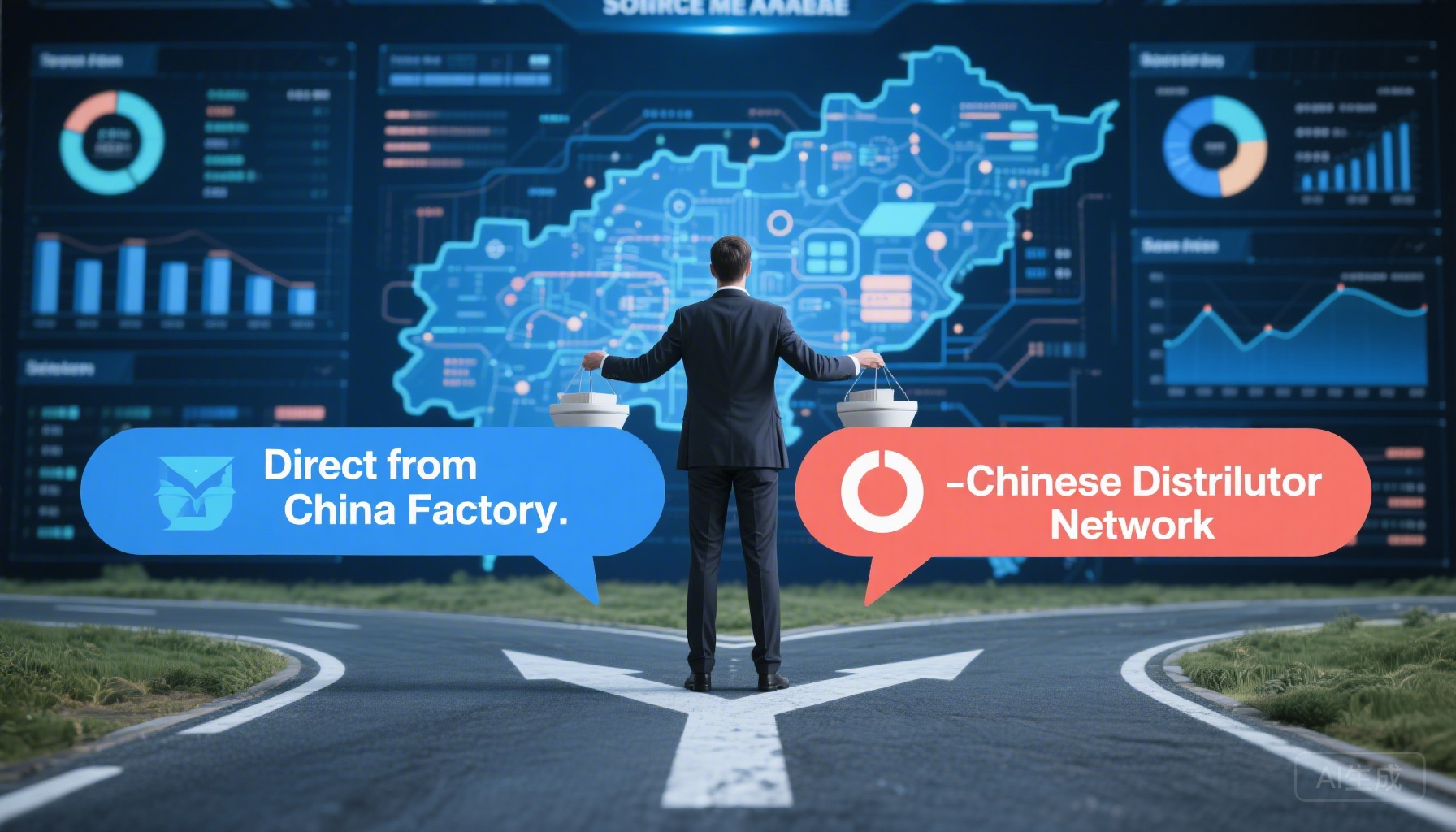
The fundamental dilemma for many Saudi businesses, whether they are burgeoning e-commerce startups or established industrial conglomerates, is whether to embrace the perceived cost savings and vast selection of direct engagement with Chinese factories, or to opt for the streamlined logistics and localized support offered by a distributor operating within the GCC region. For instance, a buyer needing specialized industrial components might weigh the lower unit cost of ordering directly from a Chinese factory against the faster delivery, simplified customs, and local warranty support provided by a distributor in Riyadh or Jeddah. This choice isn't merely transactional; it's a strategic decision that shapes supply chain resilience, operational efficiency, and market responsiveness.
2. Option A: Direct Sourcing from China
Direct sourcing from China offers an unparalleled gateway to a vast manufacturing ecosystem, frequently presenting the lowest per-unit cost and the broadest range of customization options.
- Strengths:
- Cost Competitiveness: Eliminating intermediaries can reduce product costs by 15-30%, especially for high-volume orders. For a container of consumer electronics, this could translate to savings of tens of thousands of Riyals.
- Wider Selection & Customization: Direct access to thousands of manufacturers means a greater variety of products and a higher degree of customization for specific market needs, from unique material grades to bespoke branding.
- Direct Communication: Unfiltered communication with the factory allows for precise specification adherence and faster resolution of technical queries, bypassing potential misinterpretations from third parties.
- Scalability: Direct relationships allow for easier negotiation of increased production capacity as demand grows, facilitating rapid scaling.
- Weaknesses:
- Higher Risk & Complexity: Managing quality control, compliance (e.g., SASO standards for Saudi Arabia), and intellectual property protection can be challenging. A single QC failure on a large shipment can result in significant financial losses.
- Longer Lead Times: Production often takes 30-60 days, followed by sea freight which can add another 20-35 days to Saudi ports, totaling 2-3 months from order to delivery.
- Minimum Order Quantity (MOQ): Chinese factories often impose higher MOQs (e.g., 500-1000 units for electronics, 1-2 tons for raw materials), which can be prohibitive for smaller buyers.
- Logistics & Customs: Requires robust expertise in international shipping, customs clearance, and import duties, often necessitating external freight forwarders and customs brokers.
- Communication Barriers: Despite English proficiency improving, cultural nuances and time zone differences can still lead to misunderstandings.
3. Option B: Sourcing via a Regional Distributor/Agent
Utilizing a regional distributor, often based within Saudi Arabia or the broader GCC, provides a localized and often less complex sourcing experience.
- Strengths:
- Local Support & Convenience: Distributors handle import procedures, customs, and local logistics, significantly simplifying the process for the buyer. They often provide local language support and readily accessible customer service.
- Faster Delivery: Distributors maintain local stock, allowing for much quicker delivery times, often within days or weeks, crucial for urgent needs or just-in-time inventory strategies.
- Lower MOQ: Buyers can typically purchase smaller quantities, making it suitable for businesses with limited storage, capital, or fluctuating demand.
- Compliance Assurance: Reputable distributors are usually well-versed in local regulations (e.g., SASO certifications, GSO standards) and ensure products meet all necessary compliance requirements, reducing buyer risk.
- After-Sales Support & Warranty: Local distributors offer direct warranty claims, technical support, and easier returns, which is a significant advantage for complex products or electronics.
- Weaknesses:
- Higher Costs: Distributors add their margin, increasing product costs by 20-40% compared to direct sourcing. A product costing SAR 100 directly from China might cost SAR 120-140 from a local distributor.
- Limited Selection & Customization: Buyers are restricted to the distributor's catalog and their chosen manufacturers, offering less choice and limited options for bespoke product development.
- Reliance on Distributor's Network: The buyer's experience is heavily dependent on the distributor's efficiency, reliability, and established relationships with Chinese suppliers.
- Potential for Markups: Lack of transparency in the supply chain can sometimes lead to excessive markups without clear justification.
4. Side-by-Side Comparison
| Factor | Direct Sourcing from China | Regional Distributor/Agent | Winner |
|---|---|---|---|
| Unit Cost | Lowest (15-30% less) | Higher (20-40% more) | Direct Sourcing |
| Product Selection | Vast, unlimited | Limited to catalog | Direct Sourcing |
| Customization | High degree possible | Minimal to none | Direct Sourcing |
| Lead Time | Long (60-90+ days) | Short (days to weeks) | Regional Distributor |
| MOQ | High (e.g., 500-1000 units) | Low, flexible | Regional Distributor |
| Compliance Risk | High (buyer responsibility) | Low (distributor handles) | Regional Distributor |
| Logistics Complexity | High (international shipping, customs) | Low (local delivery) | Regional Distributor |
| After-Sales Support | Complex, remote | Local, direct | Regional Distributor |
5. Our Verdict: Tailoring Your Sourcing Strategy
The optimal sourcing strategy is not universal; it hinges on a buyer's specific needs, risk tolerance, and operational scale.
- Choose Direct Sourcing if: You are a large enterprise with significant purchasing volumes, possess an experienced procurement team capable of managing international logistics and compliance, prioritize cost savings and extensive customization, and can tolerate longer lead times. This path is ideal for those seeking to maximize profit margins on high-demand, stable products where economies of scale are paramount.
- Choose a Regional Distributor if: You are a smaller or medium-sized enterprise, require quick turnaround times and lower MOQs, lack extensive international trade experience, or prioritize simplified logistics and robust local after-sales support. This option is suitable for buyers who value convenience, reduced risk, and faster market entry, even at a slightly higher per-unit cost.
6. AustinEco Deep Dive: Revolutionizing Supplier Vetting with 56-Dimension Matching
The core challenge in direct sourcing, particularly for Saudi buyers navigating the complexities of Chinese manufacturing, lies not just in finding suppliers, but in meticulously verifying their capabilities and, critically, their compliance with stringent market regulations. Traditional methods of supplier vetting are inherently slow, error-prone, and unsustainable at scale, especially when dealing with hundreds of potential partners. Manually collecting and validating certifications for the Saudi market—such as SASO (Saudi Standards, Metrology and Quality Organization) certifications, GSO (Gulf Standardization Organization) standards, alongside international requirements like RoHS, REACH, and CE—can take weeks, if not months, requiring specialized expertise and significant administrative overhead.
This is precisely the problem AustinEco's 56-Dimension Matching system is engineered to solve. Instead of relying on individual inquiries and fragmented data, AustinEco provides an automated, comprehensive evaluation framework that empowers buyers to identify best-value Chinese suppliers with unprecedented speed and accuracy. Let's deep dive into how its focus on Certification Completeness, a critical component within its 22 scoring dimensions, coupled with its Compliance hard filter and specific chemical compliance sub-dimensions, transforms the sourcing landscape.
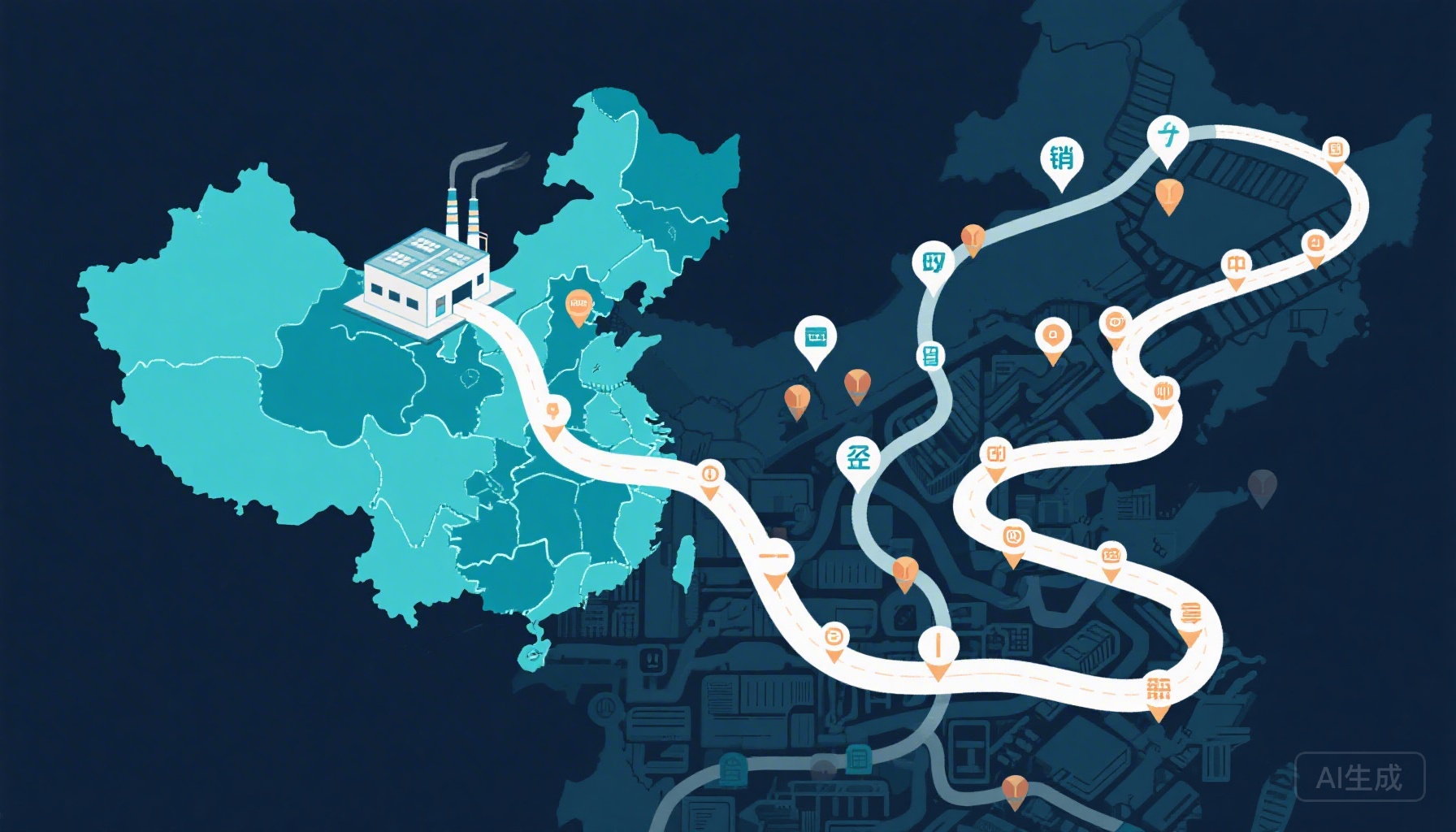
Addressing the Compliance Verification Problem:
When a Saudi buyer inputs their product requirements into AustinEco, including mandatory certifications for their target market, the system doesn't just search for suppliers. It initiates a multi-layered verification process. For example, if a buyer requires plastic components for consumer electronics, AustinEco's system will automatically:
- Scan Supplier Profiles: The system accesses a vast database of pre-vetted Chinese suppliers, automatically parsing their declared certifications.
- Validate Certification Completeness (Scoring Dimension): Each supplier's array of certifications (e.g., ISO 9001, CE, RoHS, SASO, GSO) is scored based on its relevance, validity, and scope against the buyer's specified requirements. This isn't a binary check; it assesses the depth and breadth of a supplier's compliance portfolio, rewarding those with comprehensive, up-to-date documentation.
- Apply Compliance Hard Filter: Crucially, the system applies a 'hard filter' for compliance. If a supplier lacks a mandatory certification for the Saudi market (e.g., a specific SASO mark for the product category), they are immediately filtered out, regardless of other strengths. This prevents non-compliant suppliers from ever reaching the buyer's shortlist.
- Verify Chemical Compliance (Specification Sub-Dimension): For products like electronics or textiles, chemical compliance is paramount. AustinEco delves into specific sub-dimensions like 'chemical compliance' to verify if suppliers meet standards such as RoHS (Restriction of Hazardous Substances) or REACH (Registration, Evaluation, Authorisation and Restriction of Chemicals), cross-referencing against material safety data sheets (MSDS) and test reports provided by the supplier or third-party labs. This is particularly vital for products imported into Saudi Arabia, which often adhere to stringent international chemical safety protocols.
- Automated Database Cross-Referencing: The system doesn't just trust supplier declarations. It leverages AI to cross-reference certification numbers against official regulatory databases (where accessible), ensuring authenticity and preventing fraudulent claims.
Before & After: A Tangible Impact
Consider a Saudi importer needing to source 100,000 units of a new electronic gadget from China. Traditionally:
- Before AustinEco: The procurement team would manually solicit certification documents (SASO, RoHS, GSO, etc.) from 100+ potential suppliers. This process would involve email exchanges, document reviews, potential translation, and verification calls. This could take 4-6 weeks of dedicated effort, often resulting in overlooked details, expired certificates, or misinterpretations of complex regulatory texts. Only after this laborious process could a shortlist be formed, delaying product launch and increasing operational costs.
- After AustinEco: The buyer inputs their product specifications and Saudi compliance requirements. AustinEco's 56-Dimension Matching system, in a mere 0.3 seconds (as demonstrated by internal benchmarks for processing 100 suppliers across 47 dimensions), automatically evaluates over 100 suppliers. It identifies and ranks a TOP 10 list where suppliers not only meet price and delivery criteria but also possess all required SASO, GSO, and chemical compliance certifications, with verified completeness. The buyer receives a curated list, ready for one-click inquiry, confident in the compliance of the proposed suppliers.
Why Traditional Methods Fail:
Traditional, manual compliance verification is inherently prone to human error, lacks scalability, and cannot keep pace with rapidly evolving international and regional regulations. Procurement teams struggle with:
- Information Overload: Sifting through hundreds of documents.
- Regulatory Flux: Keeping up-to-date with changes in SASO, GSO, and other standards.
- Verification Gaps: Inability to efficiently cross-reference certificates with official registries.
- Subjectivity: Inconsistent evaluation criteria across different team members.
Forward-Looking Evolution:
AustinEco's 56-Dimension Matching will continue to evolve. Future enhancements include integration with blockchain technology for immutable and verifiable certification records, predictive compliance analytics that flag potential future regulatory changes impacting a supplier's status, and AI-driven automated generation of compliance reports tailored to specific import markets, further solidifying its role as an indispensable tool for global trade.
7. Find Your Match: AustinEco AI Matching
In a world where sourcing decisions can make or break a business, AustinEco's AI-powered 56-Dimension Matching system stands as a beacon of efficiency and reliability. By transforming complex, multi-faceted supplier evaluations into a streamlined, data-driven process, it empowers Saudi buyers to move beyond guesswork. Whether your priority is cost, compliance, lead time, or quality, AustinEco's sophisticated algorithms find the best option tailored precisely to your specific needs, ensuring that your strategic sourcing from China is not just efficient, but strategically superior.
At AustinEco, Businesses focus on products — going global has never been easier. Anyone can be a middleman — world trade is that simple. Buyers state their needs — source directly from manufacturers worldwide.